
Can a City Make You Healthier? Why urban design matters for prevention, individual choice and public health

Leggi l’articolo in italiano Healthier cities are not built through infrastructure alone, but through policies that expand individual opportunities and make healthy choices more accessible. From mobility to food access, smarter urban planning can empower people, encourage innovation and deliver measurable public health benefits. In a nutshell: We are free to choose. But we do […]
A global call for smarter, science-based policy on ultra-processed foods

Competere has joined the Taxpayers Protection Alliance (TPA) and 15 other taxpayer, consumer and free-enterprise organisations in calling on the U.S. administration to reject a proposed federal definition of “ultra-processed food” (UPF). The message is simple: if the goal is better health, defining an overly broad category of foods is not the same as improving […]
The Mediterranean Diet as a Method: From Healthy Lifestyles to Personalized Prevention

At “Positive Nutrition, Mediterranean and Nordic Dietary Models: Innovation and Sustainability for Future Food Systems” in Copenhagen on 28 October, Pietro Paganini explored how the principles of the Mediterranean Diet can inform modern prevention: connecting nutrition, movement and well-being with education, scientific innovation and individual choice. In a nutshell The Mediterranean Diet is more than […]
Sugar Tax: Public Health or Public Revenue?
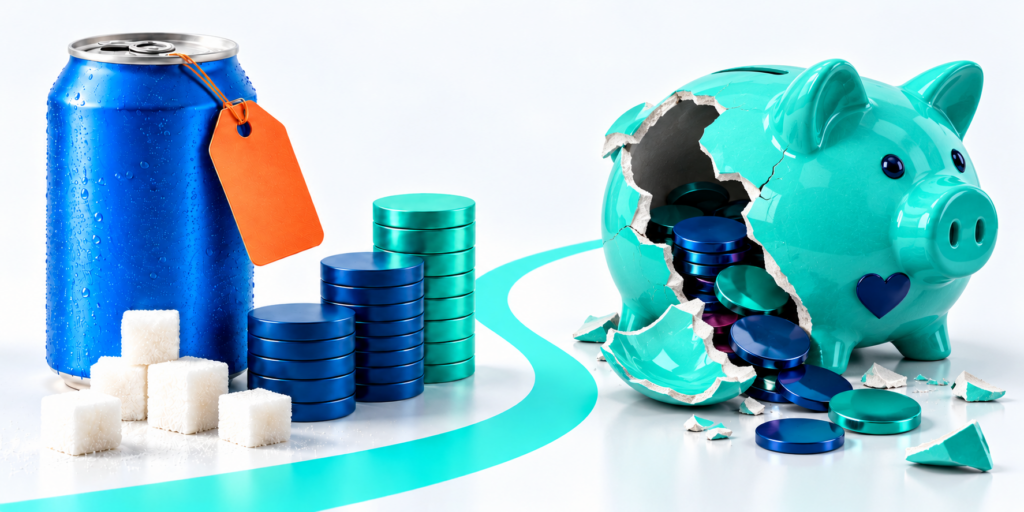
Leggi l’articolo in italiano France, Germany, Italy, and the Netherlands are debating sugar taxes once again. The promise is better health. But what do these taxes actually achieve? Who pays? And where does the money go? Competere’s new paper, developed with the support of UNALA, challenges the use of taxation as a shortcut to prevention. […]
Artificial Intelligence and Political Elections: More Power to Voters?

Leggi l’articolo in italiano Artificial intelligence can make propaganda more convincing, but it can also help voters recognize it. Ahead of Italy’s 2027 elections, the debate goes beyond deepfakes and disinformation: AI can help citizens compare political platforms, check campaign promises, and hold politicians accountable for results. The challenge is to turn this potential into […]
World Food Day: Beyond Food Rules, Towards Informed Choices

“Innovate today. Nourish tomorrow.” The theme of World Food Day 2026 invites us to consider how innovation can make nutritious food more accessible while protecting the planet. It also raises a practical question: does the advice we offer help people make decisions in everyday life? As we mark World Food Day on 16 October, sustainability […]
Dairy Beyond Milk: Nutrition, AI and Europe’s Strategic Food Infrastructure
At the European Dairy Association Annual Convention 2026 in Bratislava, Pietro Paganini explored the dairy industry’s value paradox, the impact of artificial intelligence on consumer choices, and the strategic importance of nutrition, food security, and protein coexistence. Explore key policy takeaways from the event in our summary report and read Pietro’s speech: download it now. […]
Personalized Prevention: Shaping the Future of Health in Europe
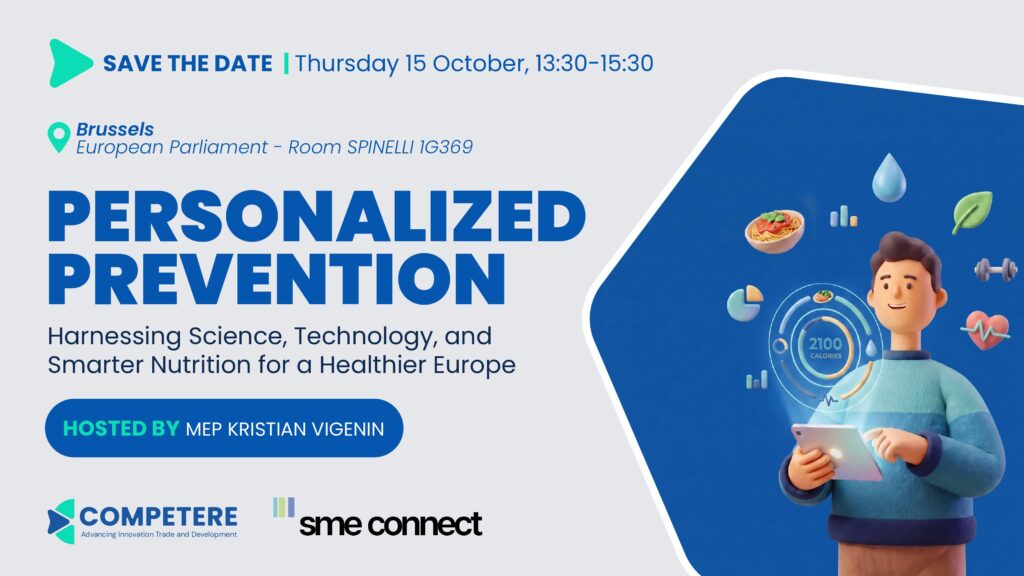
15 October 2026, European Parliament Why should prevention treat us as if we were all the same? At the European Parliament in Brussels, we explored this question during the event “Personalized Prevention: Harnessing Science, Technology, and Smarter Nutrition for a Healthier Europe”, organised in partnership with SME Connect and hosted by MEP Kristian Vigenin. Personalized […]
Poland Says No to Nutri-Score: Time to Put Personalised Prevention First
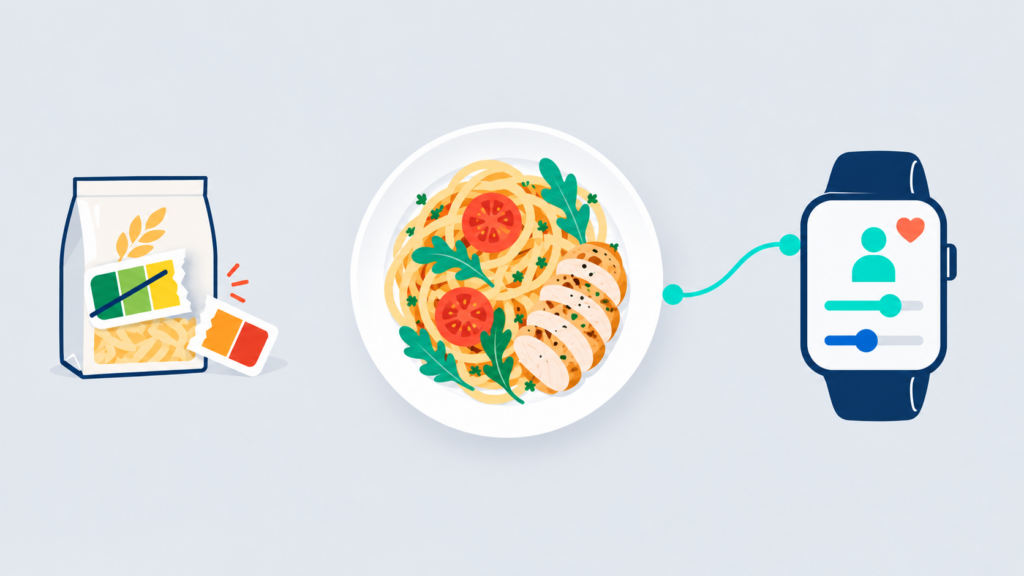
Leggi l’articolo in italiano Poland is taking a more liberal approach to food information and withdrawing Nutri-Score from domestically produced foods. The decision invites reflection on the limits of labels that grade foods without considering individual needs, habits and the wider diet. The challenge is to help consumers make better choices, rather than decide for […]
The Neurodiversity-Nutrition Nexus: Inclusive Food Policies for All Minds
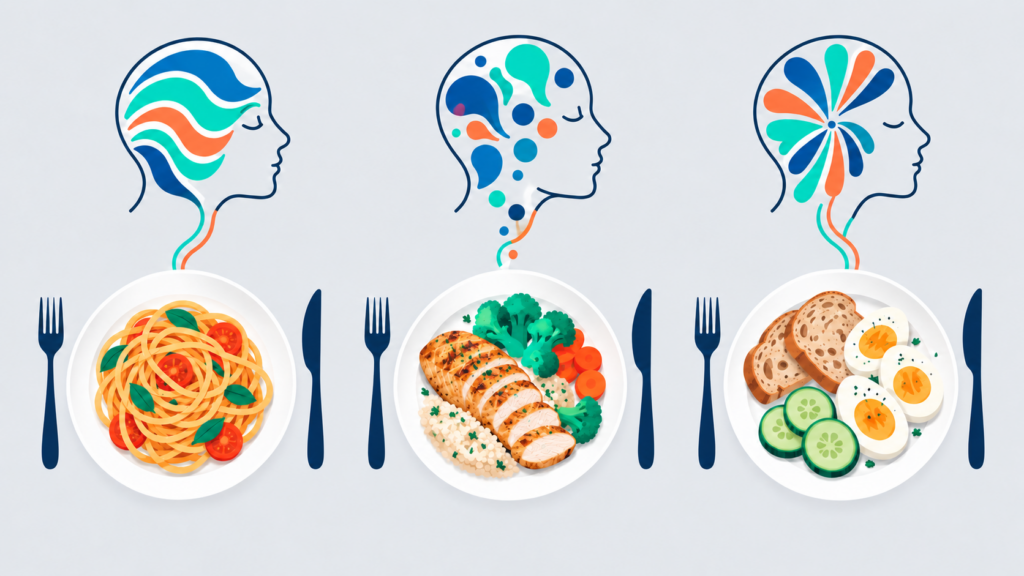
Leggi l’articolo in italiano Europe’s food policies are designed for a default eater. Millions of Europeans are not one. Picture a canteen at noon, in a school, an office or a hospital. Trays clatter, voices bounce off the walls and the smell of three different dishes fills the air. For most people it is simply lunch. […]